A leading manufacturer specializes in custom metal crafts and gifts
+86-13750321908

Jiangmen Jia Wei Gifts Co., Ltd.
 English
Views: 0 Author: Site Editor Publish Time: 2026-03-23 Origin: Site

A Wood Keychain rarely tries to attract attention through shine or bright colors. Instead, it communicates something quieter but often more meaningful. Natural materials carry emotional value. They suggest authenticity, sustainability, craftsmanship, and a sense of connection to nature. For brands that want to express warmth, responsibility, or lifestyle values, wooden accessories offer a subtle but powerful message. When a customer carries a wood keychain, the object becomes more than a tool for holding keys. It becomes a small representation of a brand’s personality and story.
Many promotional items compete for attention by being colorful or flashy. A wood keychain follows a different strategy. Its strength lies in simplicity and authenticity.
One of the main advantages is the ability to carry brand imagery in a quiet and natural way. Instead of bright printing or heavy metal finishes, wood allows logos to appear engraved or carved into the material itself. This approach creates a refined appearance that feels thoughtful rather than overly promotional.
Another reason brands choose wood is the message it communicates. Wooden products naturally signal environmental awareness and appreciation for natural materials. Companies involved in eco-friendly products, outdoor activities, or artisanal crafts often prefer wood because it aligns with their brand identity.
A wood keychain also feels different from typical mass-market giveaways. Plastic items may appear generic, while metal items may feel industrial. Wood, by contrast, offers a natural warmth that makes the accessory feel more personal.
Because of these qualities, wooden keychains often leave a stronger emotional impression on customers than conventional promotional accessories.
One of the most distinctive characteristics of wood is its natural grain pattern. Even when two pieces are cut from the same type of wood, the grain structure will never be exactly identical. This subtle variation makes every keychain slightly unique.
From a branding perspective, this uniqueness adds authenticity. Customers do not feel like they are carrying a mass-produced plastic object. Instead, the accessory appears closer to a handcrafted item.
Natural grain patterns also create visual depth. Even without color printing, the surface of wood has texture and detail that make it visually appealing.
Touch is an important part of product experience. Wood provides a warm and smooth surface that feels comfortable in the hand. Unlike metal, which can feel cold or heavy, wood offers a balanced tactile experience.
This tactile quality plays a subtle role in branding. Every time the user touches the keychain, they interact with a natural material rather than a synthetic one.
Brands connected to outdoor activities, travel destinations, organic products, or artisan culture often benefit from this emotional association. The material reinforces the brand’s message without needing additional explanation.
Visual softness is another factor. Wood tones tend to appear gentle and natural, which helps create a relaxed aesthetic. This makes wooden accessories particularly suitable for lifestyle brands.
Different types of wood produce different visual and structural characteristics. The choice of wood influences both appearance and brand tone.
Bamboo is one of the most sustainable materials available. It grows rapidly and offers a light natural color that works well for modern designs.
Birch wood provides a smooth surface that is ideal for engraving. Its pale tone makes engraved logos stand out clearly.
Maple is known for its durability and clean grain. It is frequently used for minimalist designs that emphasize subtle branding.
Walnut has a darker and richer tone, giving the product a more premium and elegant appearance.
Cherry wood gradually deepens in color over time, creating a warm and classic aesthetic.
Each material communicates a slightly different visual style. Designers can select the wood type based on the intended brand image.
Wood tone also influences the overall style of the keychain.
Light woods such as bamboo or birch often create a fresh and modern impression. These tones work well for eco-friendly campaigns and contemporary brands.
Darker woods such as walnut or cherry tend to appear more sophisticated. They are often chosen for premium gifts or boutique retail products.
Rustic brands may prefer wood that retains visible grain patterns, emphasizing natural authenticity. Minimalist brands may favor smoother finishes that highlight clean logo engraving.
Matching the wood species with the brand identity helps create a cohesive final product.
One of the most effective methods for branding wood keychains is laser engraving. This technique burns the design directly into the wood surface, creating a dark contrast against the natural material.
Because engraving removes material rather than adding ink, the design remains durable and resistant to fading. Logos, symbols, or text appear clean and professional without disrupting the natural appearance of the wood.
CNC carving can also be used to create deeper textures or layered designs. This technique allows more complex shapes and patterns while preserving the organic character of the material.
Although many brands prefer the natural look of engraved wood, additional decoration options are also available.
Paint filling can add color inside engraved areas while keeping the wood surface visible. Screen printing allows bold logos when stronger color contrast is required.
Resin or epoxy coatings may be used to protect the surface and create a glossy effect. UV protective coatings help maintain the wood’s appearance over time.
However, balance is important. Excessive decoration may hide the natural beauty of the material. Many successful designs keep branding subtle so that the wood remains the central visual element.
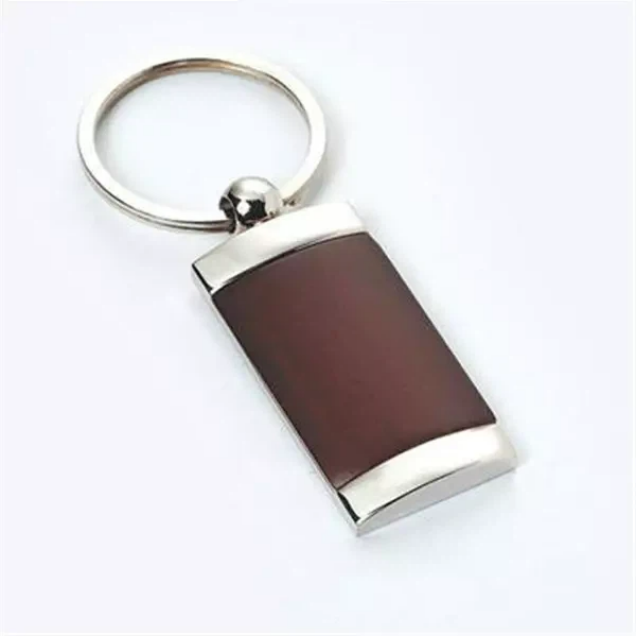
Certain types of brands and marketing campaigns benefit particularly from wooden accessories.
Eco-conscious companies often select wood because it communicates sustainability and responsible material use.
Tourism destinations frequently use wooden souvenirs that represent natural landmarks, forests, or cultural symbols. Visitors often associate wood with authenticity and local craftsmanship.
Schools, universities, and wedding events sometimes choose wooden keepsakes because they feel more personal than mass-produced plastic gifts.
Boutique retail stores also find wooden accessories appealing. They complement handmade goods, natural fabrics, and artisan products.
Corporate gifts with sustainability themes can also benefit from wood. The material subtly reflects environmental awareness without requiring complex messaging.
In all of these scenarios, wood helps reinforce a narrative of craftsmanship, authenticity, and environmental respect.
Material | Brand Message | Visual Style | Best Use Scenario | Limits to Consider |
Wood | Natural and sustainable | Warm, organic | Eco campaigns, tourism souvenirs | Sensitive to moisture without coating |
Metal | Premium and durable | Polished and structured | Corporate gifts and awards | Heavier and colder feel |
PVC | Playful and colorful | Bright and flexible | Youth merchandise and events | Less natural aesthetic |
Acrylic | Modern and glossy | Transparent or colorful | Fashion accessories | Less tactile warmth |
This comparison highlights why wood is often selected when brands want to communicate authenticity rather than bold visual impact.
Even though wooden keychains appear simple, their quality depends on several manufacturing details.
Cutting precision is important. Clean laser cutting ensures that the edges of the design remain sharp and accurate.
Surface smoothness also affects user experience. A well-finished keychain should feel smooth to the touch without rough edges.
Protective coatings help extend the lifespan of the product. Oils, wax finishes, or UV coatings can protect the wood from moisture and wear.
Moisture resistance is especially important for products that may be used outdoors. Proper finishing ensures the wood maintains its shape and color.
Hardware attachment must also be secure. Rings, cords, or metal connectors should be firmly attached to prevent detachment during use.
Responsible sourcing of materials is another factor many buyers consider today. Wood obtained from certified sustainable sources helps support environmentally responsible production.
Attention to these quality factors ensures that the final product meets both aesthetic and durability expectations.
Wooden promotional products are still less common than plastic or metal alternatives. This rarity can actually work to a brand’s advantage.
Customers often notice the difference immediately when they see or touch a wooden accessory. The material feels more tactile and organic than flat printed plastic items.
Because wood has strong connections to craftsmanship and nature, it also allows brands to tell deeper stories. A travel company may highlight natural landscapes. An artisan brand may emphasize handmade quality. An eco-friendly business may reinforce sustainability values.
This storytelling capability makes wooden keychains particularly powerful marketing tools.
Brands that want a softer visual identity also benefit from wood. The natural tones avoid the aggressive brightness of some promotional products, creating a calm and thoughtful impression.
For companies seeking authenticity rather than loud advertising, wood provides a subtle but memorable alternative.
The true value of a wood keychain lies in its ability to communicate meaning beyond its basic function. While it still organizes keys like any other accessory, the material itself conveys warmth, authenticity, and environmental awareness. By selecting appropriate wood types, engraving techniques, and protective finishes, brands can transform a simple accessory into a small but powerful storytelling tool. Jiangmen Jia Wei Gifts Co., Ltd., with nearly two decades of manufacturing experience, produces customized wooden accessories using precision laser cutting, careful material selection, and strict quality control. For brands that want to express sustainability, craftsmanship, and authenticity, a thoughtfully designed wooden key fob can represent those values in a subtle yet memorable way.
If you are exploring custom promotional accessories or planning branded merchandise, contact us to discuss your design ideas and discover how our manufacturing team can help bring your concept to life.
1. What makes a Wood Keychain different from plastic or metal keychains?
A wood keychain provides a natural appearance and tactile warmth that synthetic materials cannot replicate. It is often chosen for eco-friendly or lifestyle-oriented branding.
2. Can logos be added to wooden keychains?
Yes. Logos are commonly added using laser engraving, CNC carving, paint filling, or screen printing, depending on the design style.
3. Are wooden keychains durable for everyday use?
When properly finished with protective coatings, wooden keychains are durable enough for daily use while maintaining their natural appearance.
4. What industries often use custom wood keychains?
Tourism brands, eco-conscious companies, boutique retailers, schools, and lifestyle brands frequently use wooden keychains because they align with themes of sustainability and craftsmanship.


