A leading manufacturer specializes in custom metal crafts and gifts
+86-13750321908

Jiangmen Jia Wei Gifts Co., Ltd.
 English

Views: 0 Author: Site Editor Publish Time: 2026-10-21 Origin: Site

The enduring legacy and rising popularity of commemorative medallions have transformed them from a niche military tradition into highly sought-after treasures. Over the past few decades, these detailed metal pieces have evolved significantly. They successfully crossed over into corporate, non-profit, and pop culture spaces. Today, they serve as meaningful tokens of appreciation, identity, and exclusive membership.
However, many organizations face a common technical hurdle when they decide to mint their own. There is a distinct difference between a generic mass-produced token and a premium piece that recipients actually want to keep, protect, and display proudly on their desks. A simple stamped logo on thin metal rarely captures the imagination of a serious collector.
This comprehensive guide breaks down the exact design elements, manufacturing processes, and strategic choices that transform a standard token into a prized asset. By understanding the nuances of specialized techniques—such as intricate steel molding and precise pigment application—you can make informed production decisions. Ultimately, the goal is to engineer an authentic piece that carries emotional weight and stands the test of time.
Historical Significance Adds Value: A bespoke medallion draws much of its collectible appeal from a rich history rooted in camaraderie, shared experiences, and elite membership.
Design is Everything: Unique 3D sculpting, custom geometric shapes, and intricate edge cuts are non-negotiable structural requirements for a truly collectible piece.
Material and Craftsmanship Matter: Premium manufacturing methods dictate the perceived value, physical weight, and long-term durability of the final product.
Exclusivity Drives Demand: Limited production runs, sequential numbering, and meaningful storytelling turn a basic token into a highly prized item.
Versatile Applications: Modern businesses strategically leverage these heavy-duty pieces for brand building, employee recognition, and generating exclusive merchandise revenue.
To truly grasp the intrinsic value of these items, one must first examine their historical origins. While historical accounts vary, the most widely accepted origin story traces back to World War I. Wealthy lieutenants would occasionally commission solid bronze medallions for the pilots in their specific squadrons to foster a sense of unity and unit identity. According to lore, these early pieces even served as life-saving proof of identity for pilots shot down behind enemy lines.
Over the decades, this practice evolved into a deeply ingrained military tradition. The term challenge stems from a specific ritual often conducted in military gathering places known as a coin check. A service member would slam their medallion on the bar, challenging others to present theirs. Anyone unable to produce their piece was obligated to buy the next round of drinks. Consequently, this cultural phenomenon established the fundamental habit of carrying these items daily. It transformed them from mere awards into essential everyday-carry identity markers.
In recent years, the tradition has leaked heavily into the civilian world with remarkable momentum. Police departments, fire agencies, and emergency medical services were among the first to adopt the practice to build brotherhood and commemorate specific high-stakes missions. Today, the demographic has shifted even further.
Recent market analysts report a fascinating shift in consumer and corporate behavior. As our daily workflows and social interactions become increasingly digitized, there is a surging market demand for tangible physical items. The commemorative medallion sector is experiencing robust double-digit growth year over year exactly because it offers a physical anchor in a virtual world. Corporate businesses, technology startups, and pop culture franchises now commission these items regularly to combat digital fatigue. People crave something they can actually hold in their hands.
This modern shift has completely redefined the purpose of the product. They are no longer solely proof of service. Enthusiasts eagerly trade them at conventions, display them in specialized acrylic cases, and hunt down limited editions. The transition from a niche military token to a mainstream Collectible Gift is driven by the fundamental human desire for a tactile connection.
When organizations look to produce a metal token, they often encounter a sea of options. A standard Custom Coin is typically utilized for high-volume promotional giveaways, basic discount tokens, or simple tourist souvenirs. Because the primary goal is cost-efficiency and mass distribution, these items are usually manufactured using lighter metals like thin iron or basic aluminum.
The designs are generally flat. They feature simple stamped logos with minimal color application. While they serve their promotional purpose effectively, they feel much like standard pocket change. They lack the physical presence and intricate detailing required to be considered a true heirloom.
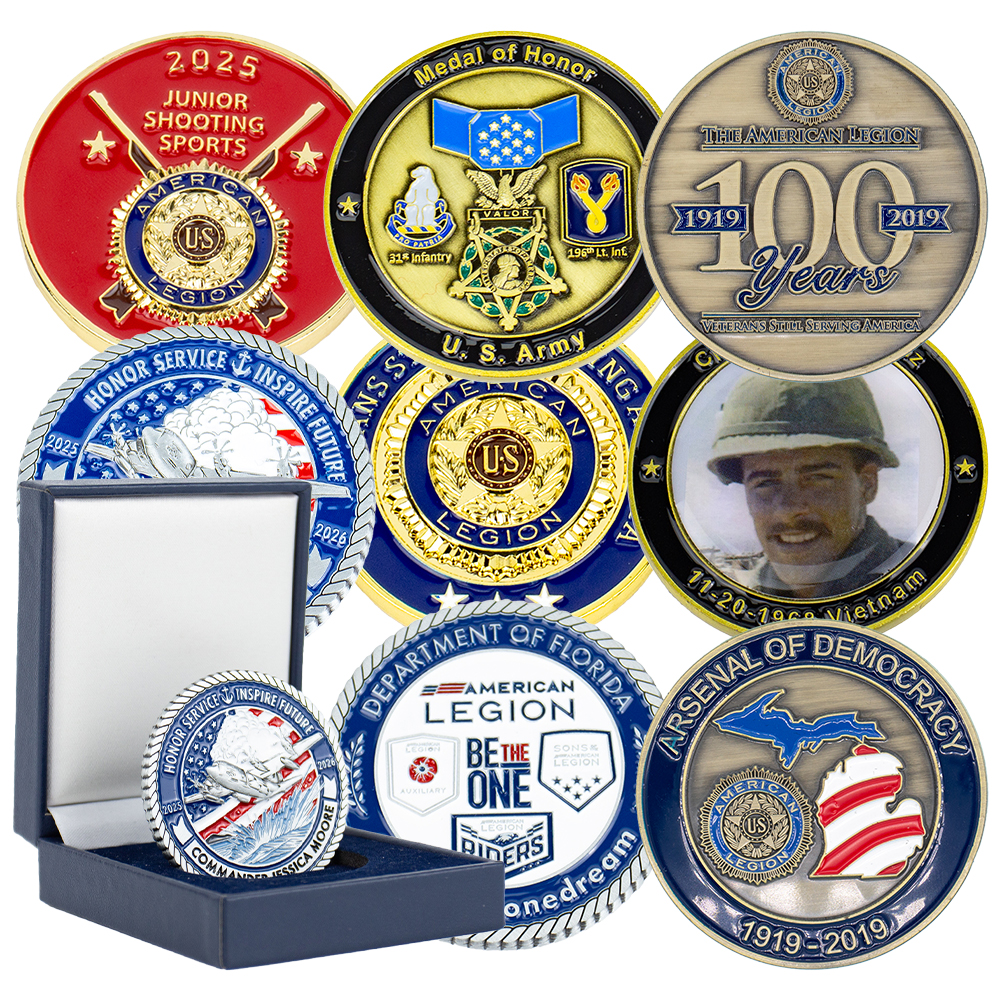
In stark contrast, a premium commemorative medallion is engineered for prestige. These pieces feature a significantly heavier weight and a thicker gauge—usually starting at 3mm and going up to 4.5mm or more in thickness. Imagine placing a solid heavy-duty zinc-alloy piece into the palm of a top-performing employee. The immediate sensory feedback signals quality and importance before a single word is spoken.
To clarify the distinct differences in engineering and perceived value, refer to the comparison below.
Feature | Standard Promotional Token | Premium Commemorative Medallion |
|---|---|---|
Core Material | Aluminum, Iron | High-grade Zinc Alloy, Solid Brass |
Thickness | 1.5mm - 2.0mm | 3.0mm - 4.5mm Heavy-duty |
Surface Detail | Flat 2D stamping | Intricate multi-level 3D sculpting |
Color Finish | Basic printed paint | Flush hard enamel, dual-plating |
One of the most critical factors in collectibility is the utilization of 3D sculpting. Standard 2D designs rely on flat raised lines to separate colors, much like a child's coloring book. While clean, this method lacks depth. High-relief molds allow for multiple levels of elevation across the metal's surface.
Specifically, this advanced technique enables the realistic rendering of human faces, architectural buildings, sweeping landscapes, and complex corporate mascots. The interplay of light and shadow across a 3D-sculpted surface gives the artwork a dynamic museum-quality appearance that collectors actively seek out.
The application of pigments is a critical decision that dictates the final texture and durability of the piece. Manufacturers generally offer two primary options, each yielding a vastly different tactile experience. Soft enamel is poured into the recessed areas of the metal but is not filled to the very top. When baked, it leaves the metal ridges raised. This results in a textured traditional feel that is highly popular for rugged military-style aesthetics.
Furthermore, hard enamel offers a completely different vibe. The pigment is overfilled and then meticulously polished down until it is perfectly flush with the metal borders. This creates a smooth glass-like jewelry-quality finish. Hard enamel is exceptionally durable and scratch-resistant. The vibrant flush Enamel Color makes intricate artwork pop, significantly increasing the visual appeal and long-term collectible status of the award.
While the traditional circular shape remains an industry standard, modern manufacturing allows for complete geometric freedom. Breaking away from the traditional circle instantly elevates a design's uniqueness. Collectors highly value pieces shaped like dog tags, police shields, arrowheads, or specific vehicles.
In addition, introducing interior cut-outs—negative space where the metal is completely pierced through—adds a layer of architectural complexity. A badge-shaped piece with precision-cut negative space immediately looks like a high-end custom-engineered artifact rather than a standard minting.
The edge of a medallion is frequently overlooked during the design phase, yet it serves as the frame for the artwork. Standard flat or reeded edges are common, but collectible pieces utilize premium edge-cutting techniques to stand out. Diamond-cut edges reflect light brilliantly, creating a high-end sparkling effect.
Rope edges provide a classic nautical or military aesthetic, while oblique line edges offer a modern textured grip. Applying a decorative edge frames the artwork like a piece of fine art. It signals to the recipient that absolutely no detail was spared in its creation.
The psychology of collecting is heavily driven by exclusivity and scarcity. By utilizing laser engraving to add sequential numbering—for example, 001/500 or VIP Member #402—onto the edge or face of the metal, organizations can instantly create artificial scarcity.
When a recipient knows they hold a uniquely numbered item that will never be replicated, the collectible value skyrockets. Personalization, such as engraving the recipient's name, rank, or a specific achievement date, further cements the item's status as an irreplaceable lifelong keepsake.
The physical manufacturing process is just as important as the digital design. Die Casting is a highly efficient advanced manufacturing process where molten metal—typically a high-quality zinc alloy—is injected under extreme pressure into a custom-machined steel mold.
Zinc alloy is the industry standard for this method because of its excellent fluidity when heated to extreme temperatures. This fluidity allows the liquid metal to fill every microscopic crevice of the mold. It is the superior choice for producing custom exterior shapes, intricate interior cut-outs, and heavy 3D designs. It yields an exceptionally durable substantial piece that feels significant in the hand.
In contrast to injecting liquid metal, the die struck minting process does not involve molten materials. Instead, a sheet of solid metal—usually dense brass or copper—is placed into a heavy hydraulic press. A hardened steel die strikes the metal with immense mechanical force, stamping the design directly into the solid blank.
This method is highly traditional, mimicking the way government currency is made. It is best utilized for traditional circular shapes that require extremely sharp high-detail 2D text. Because brass and copper are denser than zinc, die-struck pieces carry a distinct heavy weight and produce a clear ringing resonance when dropped.
Once the raw metal is formed, the plating and finishing process dictates its final aesthetic tone. Collectors overwhelmingly favor finishes that enhance the design's depth. Antique gold, silver, or copper finishes involve applying a dark chemical wash over the metal and then polishing the high spots. This leaves the dark wash in the recessed areas, creating deep contrast and making small text highly legible.
Dual-plating is a premium option that involves masking the metal to apply two different finishes—such as shiny gold and matte silver—on the exact same piece. This creates a striking visual contrast that instantly signifies a top-tier collectible.
Corporate gifting often defaults to standard uninspired swag: branded pens, cheap coffee mugs, or inexpensive apparel. While functional, these items are rarely cherished and often end up in a landfill. A premium medallion serves as a vastly superior alternative. It does not feel like promotional marketing material. Rather, it feels like a formal distinguished award.
Picture a velvet-lined presentation box snapping open during a corporate gala. When presented in this manner, the heavy metal piece communicates a level of deep respect and appreciation that standard mass-produced merchandise simply cannot match.
Human resources departments and executive leadership teams frequently utilize these tokens to mark significant internal milestones. Commemorating a 10-year company anniversary, celebrating the successful completion of a grueling multi-year project, or recognizing top sales performers creates a lasting physical record of achievement.
Employees are far more likely to proudly display a well-crafted heavy-duty medallion on their office desk than a standard paper certificate tucked away in a drawer.
In the retail, gaming, and pop culture sectors, brands strategically use these items as exclusive merchandise. Video game developers, craft breweries, and lifestyle brands create limited-edition runs as access passes or VIP tokens for their top-tier customers.
Because they are inherently durable and easy to carry in a pocket, they serve as a constant physical reminder of the consumer's loyalty to the brand. This strategy transforms everyday customers into passionate brand ambassadors who proudly display their exclusive status to others.
Creating a piece that people actually want to keep requires strategic planning long before the production machinery turns on. Instead of guessing, follow these concrete engineering parameters for your next project.
First, determine your weight and thickness requirements. If you want a heavy tactile feel that commands respect, specify a thickness of at least 3.0mm to 3.5mm. For larger pieces exceeding 2.5 inches in diameter, push the thickness to 4.0mm to prevent the metal from feeling hollow.
Secondly, choose the right finish for your artwork. For detailed 3D faces or architectural buildings, opt for an antique finish to highlight shadows and depth. For vibrant corporate logos, specify hard enamel for a scratch-resistant glass-like surface.
Finally, invest heavily in presentation. The way an item is delivered drastically alters its perceived value. Handing someone a loose piece of metal in a cheap plastic zip-bag instantly diminishes its impact. Specify custom-fitted velvet boxes, clear acrylic presentation capsules, or branded leatherette pouches to elevate the item into a formal presentation piece.
The transformation from a basic napkin sketch to a highly sought-after collectible requires precision engineering, high-quality raw materials, and expert craftsmanship. Working with an experienced manufacturer who intimately understands the strict tolerances of mold-making, premium dual-plating, and intricate pigment application is the single most important step in the entire process.
By prioritizing heavy-duty materials, demanding strict quality control, and incorporating advanced elements like 3D sculpting and sequential numbering, organizations can guarantee their investment yields a product that recipients will cherish for a lifetime. If you are prepared to elevate your organization's recognition program, browse the premium options at Jiawei Gifts and start crafting your bespoke Challenge Coin today.
History, thoughtful design, and uncompromising manufacturing quality are the pillars that make a commemorative medallion truly collectible. They are far more than just stamped pieces of zinc or brass.
A well-crafted piece serves as a physical representation of a specific memory, a hard-earned achievement, or an unbreakable bond between team members. By stepping away from generic promotional items and investing in premium craftsmanship, you create a lasting symbol of excellence.
Whether you are honoring military service, celebrating a corporate milestone, or building a passionate brand community, these heavy-duty tokens leave a permanent impression. Take the first step toward building your legacy by sketching out your unique design and requesting a professional quote.
Brass and zinc alloy are the most reliable and commonly used materials in the premium minting industry. Zinc alloy is the absolute best choice for injecting into custom shapes, creating intricate cut-outs, and achieving deep 3D relief. Brass, being a denser metal, is excellent for heavy die-struck pieces that require sharp traditional 2D detailing and a classic currency feel.
Soft enamel is applied to the recessed areas of the metal and cured, leaving the metal borders physically raised. This creates a distinct textured feel that is highly popular for rugged designs. Hard enamel is overfilled, cured with extreme heat, and then polished completely flat so the pigment and metal are flush. This results in a smooth highly durable jewelry-quality finish.
The final cost varies significantly based on physical dimensions, the inclusion of high-relief 3D elements, the total pigment count, and the specific manufacturing method utilized. While investing in premium features like dual-plating or diamond-cut edges increases the initial production cost, it drastically enhances the item's desirability and long-term value as a premium collectible.
Yes. Through the advanced zinc-alloy injection process, liquid metal can be molded into virtually any custom geometric shape. Organizations frequently design pieces in the shape of police badges, corporate mascots, military vehicles, or any unique silhouette that perfectly aligns with their branding guidelines.
Laser-engraved sequential numbering creates a verifiable limited edition production run. This specific practice instantly creates artificial scarcity. Within hobbyist and collector communities, knowing that an item is one of only a few hundred ever made drastically increases its desirability, perceived value, and overall status as a serious collectible.
Standard production timelines typically range from 10 to 15 business days after final artwork approval. However, complex projects requiring 3D high-relief sculpting, dual-plating, or specialized hard enamel baking may require an additional 5 to 7 days to ensure strict quality control and proper curing of materials.
While some specialized manufacturers can accommodate micro-batches, the industry standard minimum order quantity usually starts at 50 to 100 pieces. This minimum ensures that the initial setup costs—such as CNC machining the custom steel molds and configuring the die-casting machinery—are absorbed efficiently across the production run.