A leading manufacturer specializes in custom metal crafts and gifts
+86-13750321908

Jiangmen Jia Wei Gifts Co., Ltd.
 English
Views: 0 Author: Site Editor Publish Time: 2025-11-26 Origin: Site

Lapel pins, small but impactful accessories, have been worn for centuries. These tiny items are not just ornamental; they often carry significant meaning and serve as a form of personal expression. Whether you’re attending a formal event, showing support for a cause, or displaying your fandom, lapel pins hold a deeper value that goes beyond decoration. In this article, we’ll explore the hidden meanings behind lapel pins and why they continue to captivate people across cultures and professions. We’ll also look at how understanding the *lapel pin meaning* can help you choose or design the perfect pin for your wardrobe or business.
A lapel pin is a small pin that attaches to the lapel of a jacket, shirt, or coat. Typically, lapel pins are worn to showcase a personal connection to a specific group, event, or cause. The history of lapel pins can be traced back to ancient civilizations, where pins or badges were used to signify membership, status, or rank. For example, military insignia were worn to symbolize rank and allegiance, while badges and pins often denoted achievements or titles in social organizations. Over time, lapel pins evolved into a more fashionable accessory, often used to make a statement or show support for a cause. Today, lapel pins are worn for various reasons. From corporate lapel pins that indicate achievement to political pins that communicate ideological beliefs, these pins have become a subtle yet powerful form of personal and public expression.
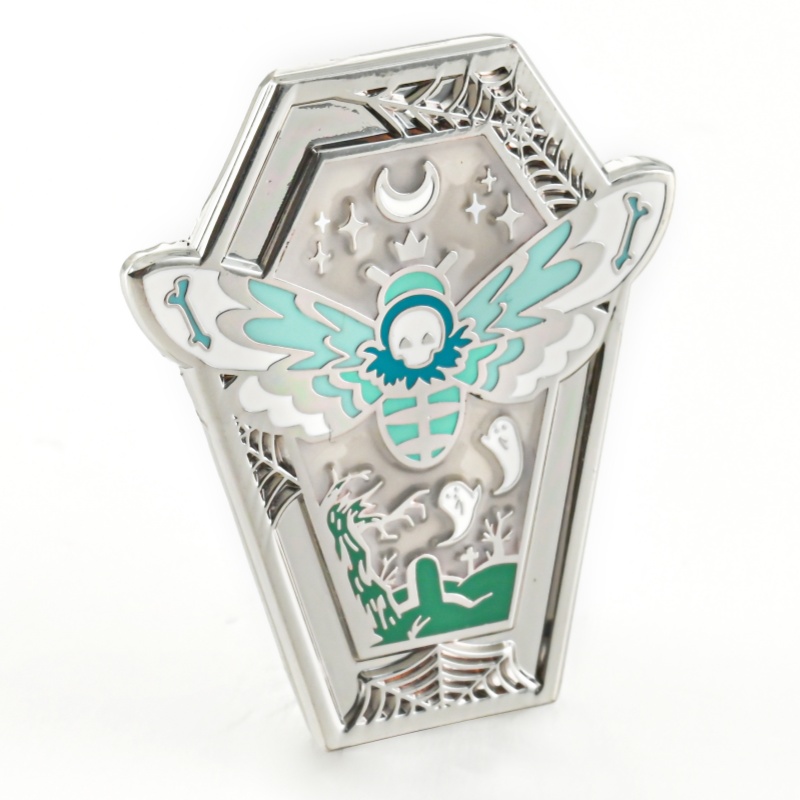
The *lapel pin meaning* goes far beyond its physical form. When you wear a lapel pin, you are often making a statement without uttering a single word. Whether it's representing a cause you support, a group you're part of, or a memory you cherish, these small symbols carry immense weight. As a psychological tool, lapel pins can boost personal identity, create connections, and even foster a sense of belonging. Additionally, lapel pins serve as a branding tool. Companies use them to recognize employees or commemorate milestones. For designers and creators, understanding the symbolic power of lapel pins can make a big difference in connecting with audiences on a deeper, more meaningful level.
Lapel pins can symbolize many things, and their meaning can vary depending on design, context, and personal association. Here are some key meanings:
Lapel pins are often worn as a form of self-expression. A pin that features a favorite animal, political symbol, or personal mantra allows the wearer to share a piece of their identity. These pins serve as subtle indicators of personal preferences or values, giving the wearer a chance to communicate who they are without speaking.
Lapel pins can signify membership in a group or organization. They may represent affiliations with clubs, societies, or even fandoms. Whether it’s a pin from a sports team, a university, or a political party, these pins connect the wearer to a wider community. They promote a sense of solidarity and shared values, making them a powerful symbol of belonging.
Many lapel pins are worn to commemorate special events, milestones, or achievements. Pins given out at conferences, for completing a course, or marking a significant anniversary or celebration become tangible reminders of key moments in life. These pins often hold sentimental value, helping the wearer reconnect with past memories.
The design of a lapel pin itself often carries deep symbolic meaning. The shape, color, and motifs chosen can convey certain ideas or beliefs. For instance, animal motifs such as an eagle, lion, or dove can symbolize strength, courage, or peace. Similarly, color choices in pins can evoke emotions—blue for trust, red for passion, or green for growth. A simple pin can thus communicate a multitude of messages, often reflecting the wearer's emotions or values.
Some lapel pins are made to be rare or limited edition, making them highly sought after by collectors. In this context, lapel pins transcend their function as a fashion accessory and become a symbol of exclusivity and status. Rare pins, whether from a particular event or produced in small batches, become prized possessions for those who value their uniqueness.
The design of a lapel pin plays a significant role in its perceived meaning. Factors like material, size, finish, and edition limit can all influence how a pin is viewed. Pins made from precious metals like gold or silver are often seen as more valuable and prestigious, while simple enamel designs may hold a more personal, nostalgic significance. Custom pins that feature a specific logo or event are often designed with meaning in mind to communicate messages related to a cause, brand, or group identity. Context also plays a critical role in how lapel pins are interpreted. For example, a political pin may have a drastically different meaning in one cultural context compared to another. Similarly, a corporate pin worn at a work event will carry different connotations than a pin worn at a family gathering or personal celebration.
When choosing or designing a lapel pin, it’s essential to consider both the personal and cultural meaning behind it. Here are some practical tips: - **For wearers:** Select a lapel pin that aligns with your personal values or the message you wish to convey. Whether it's a simple emblem of your favorite sport or a more elaborate design representing a cause you believe in, your pin should resonate with your identity. - **For designers and manufacturers:** Understanding the symbolic power of lapel pins can help you create pins that appeal to customers on an emotional level. Custom lapel pins for events, causes, or corporate branding can be powerful tools for engagement and connection. - **For collectors:** When collecting lapel pins, consider the symbolism behind each one. Look for designs that speak to you or represent something significant in your life. Whether it’s rare vintage pins or modern designs, every pin tells a story.
- **PinPaperStudio blog** – suggests that enamel pins are "tiny trophies of identity, badges of belonging, and symbols of status hiding in plain sight." These small objects encapsulate personal narratives and shared affiliations. - **Wild Life Pins blog** – highlights that animal-themed lapel pins allow wearers to carry symbols of their values and beliefs, offering a unique way to connect with nature and the animal kingdom. - **PinOutlet blog** – describes lapel pins as vehicles for "nostalgia and memory," providing wearers with a tangible link to past experiences, events, or achievements. - **Discount Lapel Pin Store blog** – focuses on event lapel pins as "commemorative tools," offering people a chance to cherish and display their significant life moments.
Lapel pins may seem like small, simple accessories, but their meanings are anything but. From personal identity and affiliations to symbolic representations and milestones, these pins offer a unique window into the lives and beliefs of those who wear them. By understanding the *lapel pin meaning*, you can make more thoughtful decisions about how you design, wear, or gift them—whether for yourself or for business purposes. Feel free to explore the world of lapel pins further and discover the perfect design that speaks to you or your audience. A lapel pin isn’t just an accessory—it’s a story waiting to be told.


