A leading manufacturer specializes in custom metal crafts and gifts
+86-13750321908

Jiangmen Jia Wei Gifts Co., Ltd.
 English

Views: 0 Author: Site Editor Publish Time: 2026-10-06 Origin: Site

Imagine launching a stunning new line of custom lapel badges. You wake up to a flood of angry customer reviews. Instead of praising your design, buyers post photos of severe skin rashes and irritation. This nightmare scenario is a harsh reality for businesses that overlook material safety during production. Nickel serves as a highly durable, cost-effective base layer in traditional electroplating. However, it holds the notorious title of being one of the most common causes of allergic contact dermatitis worldwide.
To prevent these dermatological disasters, rigorous chemical migration analysis becomes a non-negotiable engineering standard. For procurement teams and retail brands, enforcing this safety protocol actively protects consumers from physical harm. It ensures your supply chain meets stringent global legal regulations while safeguarding your reputation in a competitive market. Prioritizing this step transforms a potential legal liability into a definitive marker of premium manufacturing quality.
Recent supply chain data reveals a massive, accelerating pivot toward hypoallergenic manufacturing. Modern shoppers increasingly scrutinize material safety, driving a surge in demand for non-irritating wearables. Consequently, international customs agencies are ramping up random chemical spot checks at borders. Brands that fail to adapt to this shift are not just losing market share; they face immediate shipment rejections. This regulatory tightening reflects a broader industry consensus. Dermatological safety is no longer an optional premium feature. It is a strict baseline requirement for market entry.
Allergies are Prevalent: Prolonged exposure to reactive base metals can trigger severe, lifelong allergic contact dermatitis in sensitive individuals.
Zero-Trace vs. Migration Rates: A product may contain trace elements deep within its alloy structure but remain completely safe. The critical engineering metric is how much of the element actually escapes into the human epidermis over time.
The Gold Standard: European scientific committees dictate the acceptable limits for ion migration, forming the strict backbone of global safety evaluations.
Sourcing Matters: Partnering with transparent manufacturers who provide verified, third-party lab reports is essential for B2B legal protection.
When sourcing metal accessories, procurement teams often encounter confusing marketing terminology regarding material safety. Defining the core objective of this laboratory procedure is the first critical step toward achieving true regulatory alignment.
Many brands eagerly market their merchandise as entirely devoid of trace elements to attract health-conscious shoppers. From a metallurgical standpoint, achieving absolute zero trace elements is exceptionally rare and frequently prohibitively expensive for mass consumer production. Most daily-use goods actually aim for a low migration status.
Regulatory bodies do not focus on the total elemental content hidden deep within the alloy's structural matrix. Instead, they measure the active migration of ions from the surface of the object onto the wearer. A lapel badge might contain reactive metals in its base layers. If a high-quality top plating locks those ions in place, the item is deemed perfectly safe. The deciding factor for consumer well-being is the actual exposure rate.
Items like enamel lapel badges, uniform insignias, and daily-use accessories are handled constantly. While it might seem like a pin only touches fabric, it frequently rests against the collarbone, brushes against the neck, or penetrates through thin summer clothing. Because of this direct exposure, subjecting these items to rigorous laboratory scrutiny is highly relevant. Without a protective barrier, the friction and moisture from daily wear effortlessly facilitate the transfer of harmful microscopic particles directly into the wearer's skin.
Skipping safety protocols carries profound biological consequences. Dermatological research highlights the severe impact of sensitization, framing rigorous testing as a public health necessity rather than a mere bureaucratic hurdle.
When reactive metals mix with human sweat during prolonged Skin Contact, a specific galvanic reaction occurs. Dissolved ions penetrate the epidermal barrier. They then bind to cellular proteins. For many individuals, the immune system mistakenly identifies these altered proteins as a dangerous foreign threat. This triggers a localized inflammatory response known as allergic contact dermatitis.
To illustrate this, imagine the friction of a lapel pin rubbing against a shoulder strap during a humid commute. The resulting symptoms are both uncomfortable and highly visible. Consumers typically experience intense itching, persistent redness, localized swelling, and painful fluid-filled blisters around the area of exposure.
The most critical medical fact for brand owners to grasp is that this sensitization is a lifelong condition. Once a consumer's immune system marks a specific element as an invader, they will react to it permanently upon any future exposure. Because there is no medical cure, strict international regulations exist to control any item coming into direct physical contact with the body.
Navigating the complex regulatory landscape is vital for B2B buyers who want to avoid legal liabilities, devastating financial penalties, and cross-border trade disputes.
Internationally recognized as the reference test method, EN 1811 determines the exact rate of elemental migration from products intended to touch the body. It provides a standardized, highly repeatable scientific approach to evaluating consumer safety. Under this specific framework, the acceptable threshold is strictly quantified. For most consumer accessories, the migration rate must not exceed 0.5 micrograms per square centimeter per week. For post assemblies inserted into pierced parts of the body, the limit drops even lower to a stringent 0.2 micrograms per square centimeter per week.
The European Union REACH directive, which stands for Registration, Evaluation, Authorisation and Restriction of Chemicals, aggressively enforces these limits. Merchandise failing to meet these thresholds cannot be legally imported, distributed, or sold within the EU market.
Beyond European borders, adhering to these parameters has evolved into a global best practice. Major international retailers across the United States, Canada, and Australia utilize this exact standard as their baseline for quality assurance. Meeting this benchmark heavily streamlines your international distribution strategy.
Demystifying the laboratory procedure helps buyers understand what they are paying for and what a legitimate document actually proves. Accredited facilities follow a meticulous, multi-day chemical analysis to ensure absolute precision.
To accurately replicate real-world usage, technicians do not simply measure the metal dry. Instead, they prepare a highly specific artificial sweat solution. This liquid precisely mimics the pH, salt, and lactic acid composition of human perspiration. The metal accessory is suspended in this solution and placed inside an incubator for exactly one week, or 168 hours, at a constant temperature of 30 degrees Celsius to simulate body heat. This controlled environment accelerates potential oxidation.
After the incubation period concludes, scientists must measure the exact concentration of ions that migrated into the liquid to determine the official Nickel Release rate. They utilize highly advanced analytical equipment, such as Inductively Coupled Plasma Mass Spectrometry. These sensitive machines detect trace elements down to parts per billion, ensuring no harmful chemical shedding goes unnoticed.
When reviewing a manufacturer's PDF report, buyers should look for specific indicators of legitimacy. Verify the methodology cited, check the quantitative results against the legal threshold, and ensure the document bears the official stamp of an ISO-accredited third-party laboratory.
For wholesalers, distributors, and brand managers, viewing chemical safety analysis as an optional expense introduces catastrophic vulnerabilities into the supply chain.
In the digital age, consumer trust is incredibly fragile. A single viral negative review featuring photos of an allergic reaction can permanently destroy a product line's reputation. Once a brand is labeled as selling toxic or unsafe goods, recovering that lost trust requires immense capital and time.
Furthermore, the financial devastation of non-compliance extends far beyond lost retail sales. Government consumer protection agencies actively monitor the market. If customs authorities test a random sample of your shipment at the border and it fails Compliance Testing, the entire container will be seized. Regulatory bodies can impose heavy legal fines and mandate expensive public recalls, effectively wiping out profit margins for the entire fiscal year.
From a B2B distribution standpoint, major global retailers maintain strict vendor onboarding manuals. Procurement teams at big-box stores and premium boutique chains demand verified, third-party laboratory reports. Without passing documentation, your merchandise will be outright rejected.
If traditional methods pose such a high biological risk, what materials should responsible brands utilize? Understanding modern manufacturing alternatives empowers buyers to make safer, smarter sourcing decisions. As a sourcing engineer, evaluating base materials against specific application requirements is crucial.
In traditional electroplating, reactive elements serve as an excellent leveling agent. They smooth out imperfections on the base metal and create a flawless mirror-like finish. However, advanced manufacturers now offer exceptional hypoallergenic alternatives tailored for specific use cases.
For instance, when designing promotional merchandise or employee recognition items, utilizing a scratch-resistant zinc alloy base ensures excellent durability while avoiding hazardous base layers. Coupled with dual-side logo printing and hypoallergenic finishes, these configurations easily pass rigorous migration limits while maintaining a premium aesthetic.
Material / Process | Ion Migration Risk | Durability & Finish | Best Application Scenario |
|---|---|---|---|
Traditional Nickel Plating | High | Excellent mirror finish | Avoid for wearable pins and jewelry |
Scratch-Resistant Zinc Alloy | Low | High structural integrity | Promotional merchandise, Employee recognition badges |
White Bronze Strike Layer | Very Low | Bright silvery appearance | Daily-use accessories, Enamel pin bases |
316L Surgical Stainless Steel | Virtually Zero | Superior corrosion resistance | Premium retail accessories, Piercing assemblies |
To replace problematic barrier layers during the electroplating phase, suppliers can utilize white bronze plating. This mimics a bright silvery appearance without the allergy risks. Copper-based strike layers and Physical Vapor Deposition vacuum coatings also offer incredibly durable, hypoallergenic finishes.
Finding the right manufacturing partner is the final and most crucial step in securing your supply chain. B2B buyers must take an active, uncompromising role in vetting their suppliers before transferring any funds.
When initiating contact with a factory, ask direct questions regarding their chemical management. A reputable supplier will not hesitate to confirm their compliance capabilities. They should immediately offer historical testing data as proof. Always request to review these documents before placing a bulk order.
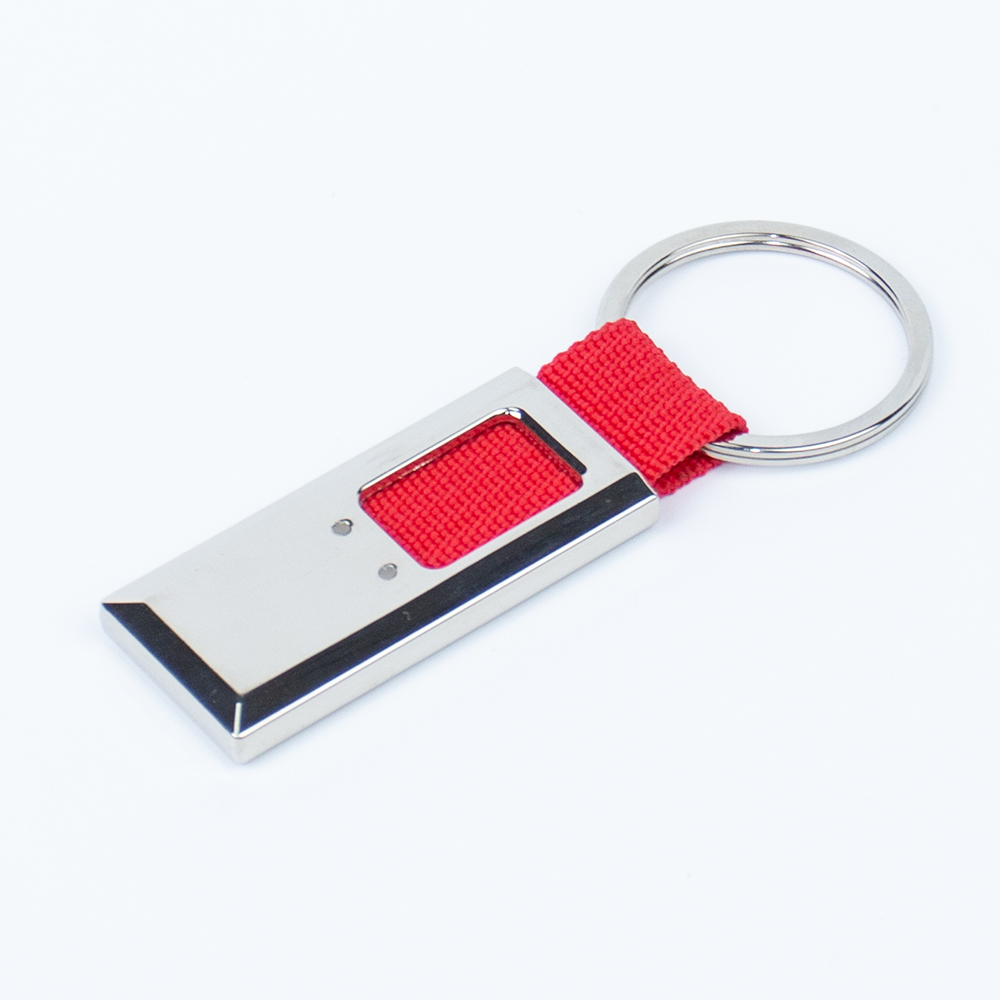
It is highly recommended to collaborate with manufacturers who deeply understand global regulatory frameworks. For example, if you are expanding your corporate gifting line, sourcing a custom Metal Keychain from a trusted, transparent supplier ensures that you receive premium craftsmanship without compromising on dermatological safety. Reliable partners gladly guide you through their hypoallergenic plating options and manage the third-party testing process on your behalf.
Ensuring your metal accessories pass strict chemical migration standards is far more than a bureaucratic hurdle. It is a vital, non-negotiable commitment to product safety, consumer health, and business longevity. As international regulatory bodies continuously tighten their restrictions on hazardous materials, proactive compliance remains the only sustainable strategy for modern brands.
Whether you are designing custom enamel lapel badges, corporate insignias, or promotional merchandise, investing in compliant, low-migration manufacturing processes pays massive dividends. It shields your enterprise from devastating legal headaches, prevents costly border seizures, and ultimately drives higher customer satisfaction.
Audit your current supply chain today. For brands seeking reliable, certified manufacturing, exploring hypoallergenic options like scratch-resistant zinc accessories with dual-side logo printing is the smartest next step. Visit Jiawei Gifts to find promotional merchandise and bespoke pins that strictly adhere to global safety benchmarks.
No. Claiming a metal is entirely free of specific elements implies the alloy contains absolutely zero trace of it, which is exceptionally difficult to achieve and verify in mass manufacturing. Passing a standardized migration test means that while the item may contain trace amounts within its structural matrix, it does not shed those ions onto the skin at levels high enough to trigger an immune system reaction.
Yes. Even though the front surface of an enamel pin is protected by paint or epoxy resin, the metal base, the back of the pin, and the clutch mechanism frequently come into direct contact with the wearer's body. Because these components touch the skin through thin clothing or when handled daily, they must undergo strict laboratory scrutiny to guarantee safety.
The core incubation process requires exactly 168 hours of continuous submersion in artificial sweat. Including sample preparation, precise machine analysis, and official reporting, procurement teams should expect a 10 to 14-day turnaround from accredited laboratories.
Authorities will immediately quarantine the non-compliant cargo. Brands typically face steep fines, mandatory destruction or return of the goods at the importer's expense, and placement on high-risk importer watchlists, which guarantees severe delays for all future shipments.
While prices vary depending on the specific laboratory and the region, a standard evaluation generally ranges from $50 to $200 per sample. Major testing firms offer these services globally. It is worth noting that many reputable, high-volume manufacturers absorb this cost or include it as part of their comprehensive service package when you place large bulk orders.
While it is a European standard intrinsically tied to the EU regulatory frameworks, it has effectively evolved into the de facto global benchmark for metal safety. Many countries, international trade bodies, and major global retailers outside of Europe use these specific thresholds as their foundational requirement. Adhering to this standard ensures your products can be sold seamlessly across international borders.